
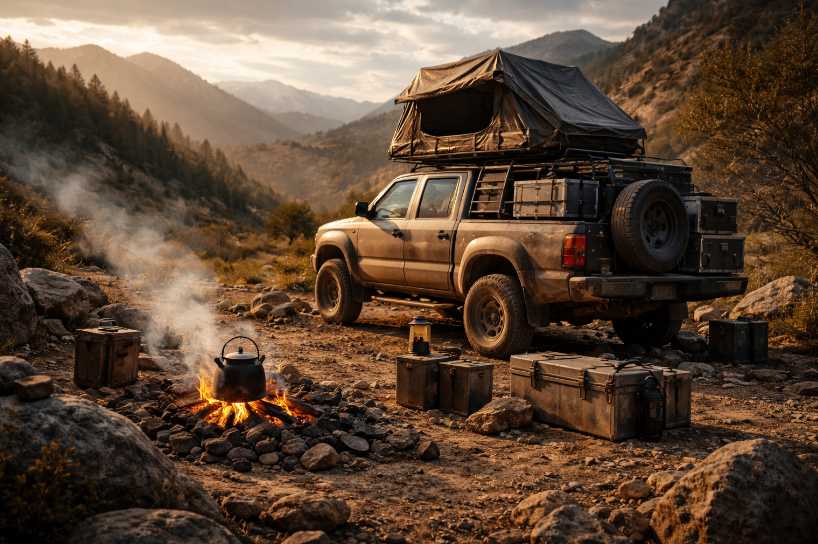
Camping far from paved roads tends to reward gear that works without persuasion. Durable metals, straightforward hinges, and parts that can be understood at a glance rarely inspire dramatic marketing campaigns, yet they keep functioning long after batteries surrender. When wind rises, temperatures drop, or dust finds its way into everything, simplicity proves less glamorous but far more loyal.
Durability Over Dazzle
Materials chosen for strength rather than spectacle usually win the long game. Thick aluminum, reinforced joints, and mechanical fasteners may lack touchscreen appeal, but they tolerate rough handling, shifting weather, and the occasional moment of human clumsiness. A cracked plastic housing or failed circuit board offers little comfort when the nearest replacement is several hours—and possibly one questionable map reading—away.There is also a psychological benefit to sturdy equipment. Confidence in shelter, storage, or cooking tools reduces background stress, allowing attention to shift toward navigation, safety, or simply enjoying the stillness. Peace of mind rarely arrives packaged with blinking LEDs.
Field Repairs Without a Degree in Engineering
Mechanical systems speak a universal language: loosen, tighten, clean, repeat. When something bends or sticks, the solution often involves basic tools and a calm assessment rather than an internet connection and a firmware update. This difference matters in places where “Have you tried turning it off and on again?” becomes less of a joke and more of a genuine logistical challenge.Simple gear encourages self-reliance. Campers learn how components fit together, how to carry small spare parts, and how to improvise temporary fixes. These skills build resilience that extends beyond equipment, shaping decision-making in uncertain conditions. Complexity, by contrast, tends to outsource problem-solving to manufacturers who are not currently hiking beside you.
Maintenance That Respects Time and Budget
Long-term ownership reveals another quiet strength of uncomplicated design. Cleaning, lubrication, and occasional part replacement usually cost little and require minimal effort. High-tech alternatives often demand proprietary accessories, specialized servicing, or full replacement when a single component fails—an arrangement that benefits everyone except the person paying for it.Practical campers frequently evaluate gear using questions that sound almost boring:
- Can this be repaired with common tools?
- Will it still function after years of rough travel?
- Does it depend on power, signal, or fragile parts?
Resilience in Rough Terrain
Remote travel introduces conditions that quietly test every design decision. Corrugated dirt roads shake fasteners loose, sudden rain turns dust into adhesive mud, and temperature swings challenge seals and moving parts. Equipment built around straightforward mechanical strength absorbs these stresses with far less drama than delicate electronics that prefer climate control and polite handling.Weight also plays a meaningful role. Lighter, simpler structures reduce strain on vehicles and conserve fuel, extending how far a trip can reasonably go. When gear avoids unnecessary motors, screens, or wiring, it often becomes easier to pack, remove, or reconfigure. Flexibility matters when campsites are uneven, weather shifts unexpectedly, or plans change because a map looked more optimistic than reality.
There is a certain honesty to rugged simplicity. If something fails, the reason is usually visible rather than mysterious. A bent bracket can be straightened. A loose bolt can be tightened. Nothing requires scrolling through menus while standing in sideways rain, wondering which icon represents “please cooperate.”
Cost Efficiency That Extends Beyond Purchase Day
Initial price tags rarely tell the full story. Durable, repairable gear often costs less over years of use because it avoids constant upgrades and replacements. High-tech equipment can feel economical at first, right up until a single discontinued component transforms the entire system into an expensive paperweight with excellent posture.Financial efficiency also includes reduced dependency on accessories. Straightforward designs typically rely on universal hardware rather than branded add-ons that appear to be crafted from equal parts plastic and ambition. Fewer proprietary pieces mean fewer surprises when preparing for a long trip.
Practical spending leaves room for experiences—extra travel days, better food, or fuel for exploring one more quiet road that definitely looked shorter on the map. Memories tend to outlast specifications.
Choosing Practicality Over Novelty
New technology will always promise transformation. Some innovations genuinely improve safety and comfort, yet others solve problems that rarely existed outside product meetings. Careful selection becomes essential. The goal is not rejecting progress but recognizing when simplicity already performs the job exceptionally well.Dependable outdoor setups usually share familiar traits: strong materials, minimal failure points, and designs that welcome maintenance instead of resisting it. They may never feel futuristic, but they continue working in environments where imagination alone cannot keep anyone warm or dry.
Final Thoughts Without Short Circuits
Reliable camping equipment seldom demands attention. It does its work quietly, allowing focus to remain on landscapes, weather patterns, and the steady rhythm of travel beyond crowded places. Simplicity removes small frustrations that accumulate into larger problems, replacing them with calm predictability.Out in remote country, dependable function becomes a kind of luxury. Not flashy, not complicated—just present, steady, and ready for whatever the trail decides to offer next.
Article kindly provided by muddy-river.com