
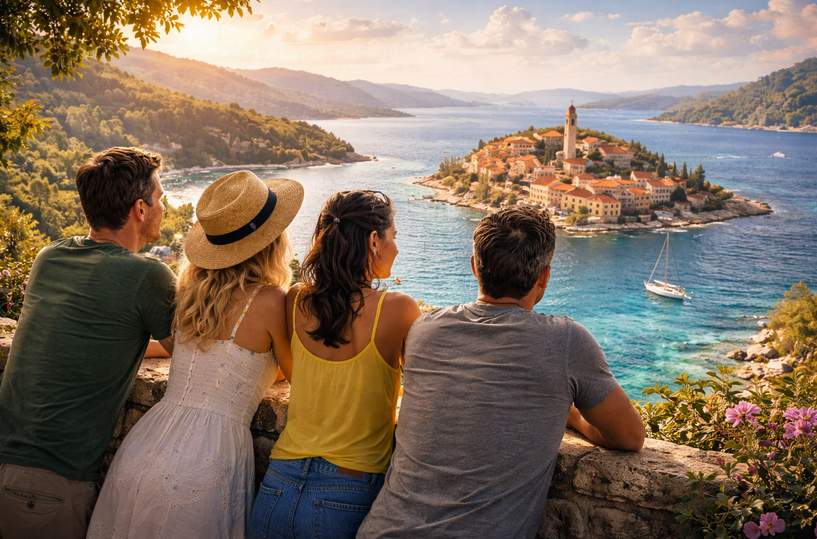
A thoughtful route allows historic cities, national parks, and island harbors to connect naturally rather than feeling like isolated checklist items. Point-to-point travel using private transfers and small-scale private tours removes the constant need to decode bus timetables or negotiate luggage through crowded stations. Instead of planning around transport limitations, the journey can follow curiosity, weather, and the simple desire to linger somewhere beautiful for an extra hour.
Why Slow Travel Works Especially Well Here
Distances between Croatia’s major highlights are short enough to encourage patience. A drive of two or three hours can pass Roman ruins, vineyard-covered hills, and a stretch of coastline dramatic enough to make even the most committed phone scroller look up briefly. Traveling slowly turns these in-between moments into part of the destination rather than lost time between hotel check-ins.Private transfers support this rhythm by allowing flexible departure times, scenic pauses, and direct hotel-to-hotel movement. There is no heroic sprint for the last bus of the evening, and no emotional negotiation with a rental car navigation system that insists the sea is technically a road. The practical benefit is obvious, but the emotional shift is just as important. Movement becomes quiet, predictable, and almost restful.
Building a Logical Route Without Rushing
Designing the journey begins with geography rather than ambition. Croatia unfolds most naturally along a north-to-south coastal line with inland detours for national parks. A balanced route might include:- A historic northern gateway with walkable streets and layered architecture
- One or two national parks where waterfalls provide the soundtrack instead of traffic
- A sequence of coastal cities that gradually shift in mood, cuisine, and pace
- At least one island stay where schedules feel politely optional
Time efficiency still matters, even in slow travel. Choosing direct transfers instead of multi-connection public routes preserves energy for walking old streets, swimming in clear water, or debating whether a second dessert counts as cultural research.
Letting Scenic Detours Do the Heavy Lifting
The quiet advantage of point-to-point travel is the freedom to treat distance as an opportunity rather than an obstacle. A well-timed stop at a waterfall, vineyard, or stone village can transform a transfer day into something that feels suspiciously like sightseeing. Private transfers make these pauses practical instead of reckless, which is helpful for anyone who prefers memories over mileage statistics.Small-scale private tours deepen this effect. Instead of moving through landmarks in a tightly packed group, the pace can stretch or contract depending on interest levels, weather, or the sudden discovery of exceptionally good pastries. Conversations with local guides often drift beyond historical dates into everyday life, regional quirks, and the kind of stories that never fit neatly onto information boards. These moments accumulate quietly and tend to be remembered long after the exact number of church towers has faded from memory.
Balancing Comfort With Cultural Depth
Slow travel is sometimes mistaken for inconvenience dressed up as philosophy. In reality, comfort and depth can coexist quite peacefully. Reliable transport, clear timing, and the absence of logistical guesswork create mental space to notice architecture, flavors, and small cultural details that rushed travel often hides.Thoughtful planning usually comes down to a few steady principles:
- Limit the number of overnight bases to avoid constant packing
- Allow unscheduled time in places that invite wandering
- Use private day trips to reach landscapes that public routes skip
- Accept that seeing slightly less often feels like experiencing far more
A Route Worth Taking Slowly
Croatia rewards patience in subtle ways. Morning light on stone streets, the gradual shift from continental forests to bright coastal air, and the rhythm of ferries arriving without drama all contribute to a sense that movement itself is part of the destination. Designing a journey without renting a car simply makes that rhythm easier to hear.Private transfers and intimate tours do not remove spontaneity; they protect it. By handling the practical edges of travel, they leave more room for curiosity, rest, and the occasional unplanned swim that somehow becomes the highlight of the entire trip. Progress still happens, just without the background stress of navigation apps arguing with reality.
In the end, the most memorable Croatian routes are rarely the fastest ones. They are the journeys where each stop feels earned, each landscape has time to register, and even the transfer between towns carries a quiet sense of arrival. Getting somewhere slowly, it turns out, can be the quickest path to actually being there.
Article kindly provided by croatia-private-transfers.com